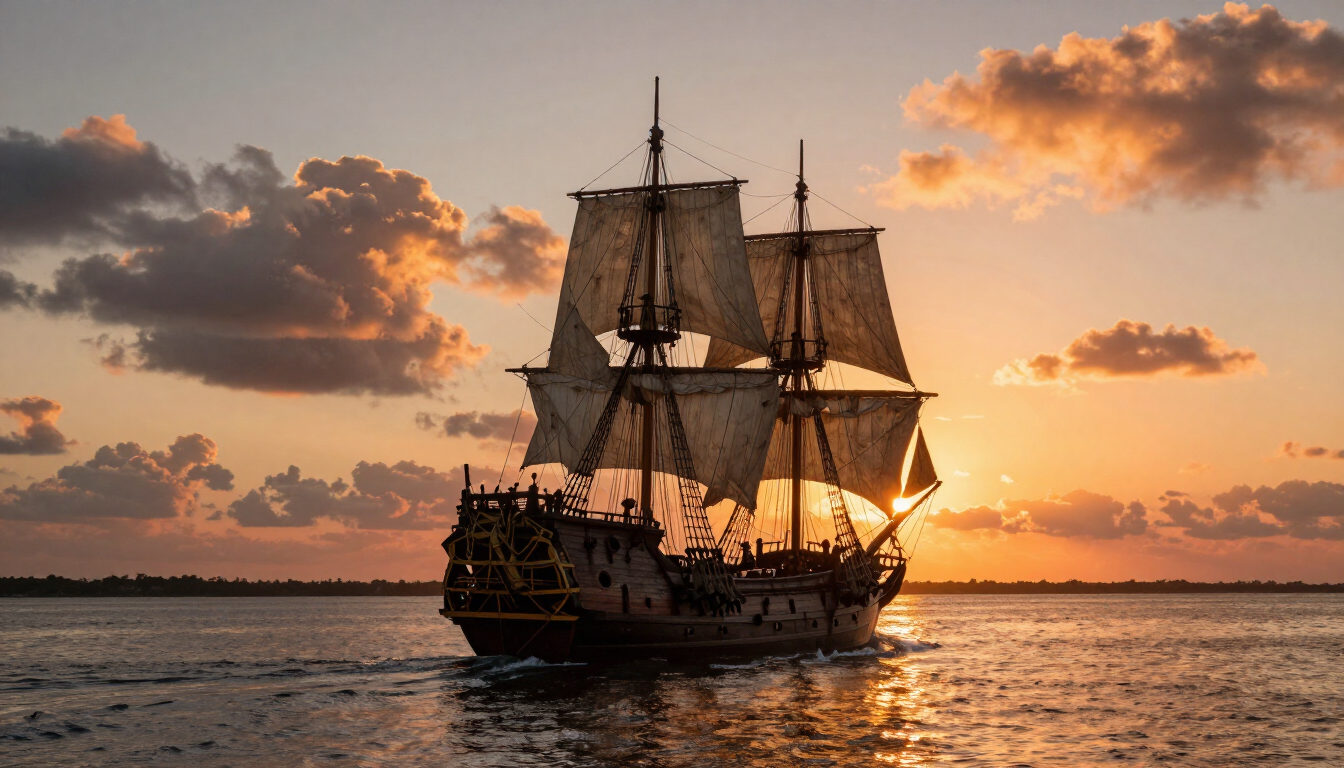
The history of pirates in Tampa Bay is a captivating blend of documented 18th-century privateering and the legendary folklore of José Gaspar. While real buccaneers frequented Florida's Gulf Coast to seek refuge and supplies, the region's identity is defined by the mythic 'Gasparilla' legacy that continues today.
Who were the real pirates in Tampa Bay?
Long before the colorful parades and beaded necklaces of modern festivals, the Florida Gulf Coast was a wild, untamed frontier. During the Golden Age of Piracy (roughly 1650 to 1720), the tangled mangroves and deep inlets of Tampa Bay provided the perfect cover for sea rovers. These were not the romanticized heroes of Hollywood; they were often desperate sailors, escaped indentured servants, or outlaws seeking to disrupt Spanish trade routes.
Real pirate activity in this region was primarily driven by the strategic location of the Florida peninsula. Spanish treasure fleets, laden with gold and silver from Mexico and South America, sailed through the Florida Straits on their way back to Europe. Pirates and privateers from England, France, and the Netherlands would lie in wait. When the weather turned sour or a ship needed repairs, the quiet waters of Tampa Bay offered a secluded sanctuary.
Historically documented figures like Blackbeard (Edward Teach) and the infamous Anne Bonny are known to have operated in the Caribbean and along the Atlantic coast, but their influence certainly trickled down to the Gulf. Smaller, less famous crews regularly used the Gulf Coast to harvest timber, find fresh water, and hide from the Royal Navy. These men and women lived brutal lives, governed by 'Pirate Codes' that ensured a semblance of order amidst the chaos of the high seas.
Is the legend of José Gaspar actually true?
No figure looms larger over the history of pirates in Tampa Bay than José Gaspar, also known as 'Gasparilla.' According to popular legend, Gaspar was a high-ranking Spanish naval officer who turned to piracy in the late 18th century after being falsely accused of stealing the crown jewels. He allegedly established a base on Gasparilla Island and spent decades terrorizing the Gulf, amassing a massive fortune before meeting a dramatic end.
Despite his fame, most historians agree that José Gaspar is a work of fiction. There are no Spanish naval records of an officer by that name, and no contemporary accounts of his exploits exist from the 1700s. The legend likely originated in the early 20th century as a promotional tool for the Charlotte Harbor and Northern Railway. However, the lack of historical evidence hasn't stopped Gaspar from becoming a Florida icon.
The story goes that in 1821, rather than be captured by the USS Louisiana, Gaspar wrapped himself in the ship's anchor chain and leapt into the sea, shouting 'Gasparilla dies by his own hand!' This flair for the dramatic is exactly why the legend has endured. It captures the imagination and provides a sense of mystery that real history sometimes lacks.
Notable privateers of the Florida Gulf Coast
While Gaspar may be a myth, the Gulf Coast was home to very real privateers—state-sanctioned pirates who carried 'Letters of Marque' allowing them to attack enemy ships during times of war. These individuals played a significant role in the maritime history of the region, often blurring the line between legal naval combat and outright robbery.
- Jean Lafitte: Perhaps the most famous Gulf privateer, Lafitte operated primarily out of New Orleans but his influence extended to the Florida coast.
- Luis Aury: A French privateer who claimed to be a revolutionary, he used the Florida coast as a base for smuggling and raids against Spanish interests.
- Gregor MacGregor: A flamboyant Scotsman who briefly seized Amelia Island and had designs on the entire Florida peninsula.
- Pancho Gomez: A local legend often associated with the 'pirates' of the Florida Keys and Southwest Florida.
- William Augustus Bowles: An adventurer who attempted to create an independent state in Florida, using privateering to fund his ambitions.
These men were motivated by profit and politics, and their presence ensured that the waters around Clearwater Beach and Treasure Island remained dangerous well into the 19th century.
Where can you find hidden treasure in Tampa Bay?
The allure of buried gold is a central theme in the history of pirates in Tampa Bay. Local folklore is filled with tales of chests filled with Spanish doubloons hidden deep within the mangroves or buried under the white sands of the Gulf beaches. While many have searched, the 'hidden treasure' of the region is often found in the stories themselves.
One of the most famous treasure legends involves the 'Money Bayou' area, where early settlers claimed to find ancient coins washed up after heavy storms. It is entirely possible that shipwrecks, pushed inland by hurricanes, deposited small caches of wealth along the coast. However, the shifting sands and rising sea levels of Florida make finding a pristine treasure chest nearly impossible.
For modern vacationers, the real treasure is the natural beauty and vibrant culture of the region. Exploring the waters around our rentals on Clearwater Beach allows you to see the same coast that the buccaneers saw hundreds of years ago. Whether you are on a jet ski or relaxing on a beachfront balcony, the spirit of adventure is everywhere.
How pirate culture defines Tampa today
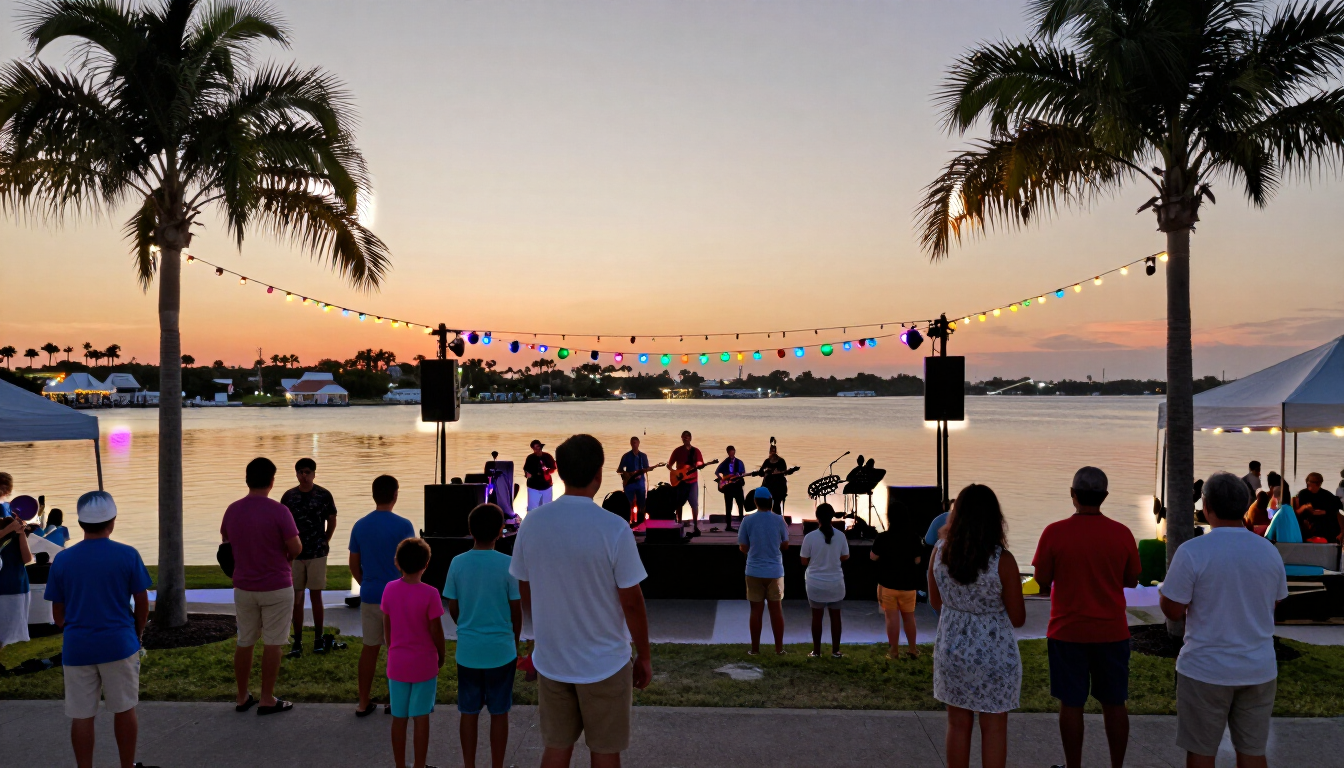
Pirate history has evolved from a dangerous reality into a massive cultural celebration. Nowhere is this more evident than in the annual Gasparilla Pirate Fest. Since 1904, the city of Tampa has been 'invaded' by the Ye Mystic Krewe of Gasparilla, a group of businessmen dressed as pirates who sail a massive pirate ship into the bay to demand the key to the city.
This festival has grown into one of the largest parades in the United States, drawing hundreds of thousands of visitors. It isn't just a party; it's a reflection of Tampa's unique identity—a mix of Spanish heritage, maritime tradition, and a love for the theatrical. The 'pirate' brand is everywhere, from the local NFL team, the Tampa Bay Buccaneers, to the names of local businesses and schools.
Modern pirate attractions for your next visit
If you want to immerse yourself in the history of pirates in Tampa Bay, there are plenty of ways to do it during your stay with Stay & Play Clearwater. The region offers a variety of educational and entertaining experiences for the whole family.
- The Tampa Bay History Center: Features excellent exhibits on Florida's maritime history and the real people who sailed the Gulf.
- Pirate Ship Cruises: Several operators in Clearwater and John's Pass offer interactive pirate cruises with storytelling and water cannons.
- The Gasparilla Ship: While it only sails during the festival, you can often see the 'Jose Gasparilla II' docked and ready for its next invasion.
- Treasure Island: Visit the town that embraced the pirate name, offering themed shops and a kitschy, fun atmosphere.
- Local Museums: Smaller historical societies along the coast often have displays featuring artifacts recovered from local waters.
Tampa Bay's Pirate Legacy
The history of pirates in Tampa Bay is a rich tapestry that bridges the gap between historical fact and legendary fiction. While the fierce José Gaspar may be a myth, the impact of real maritime adventurers and the enduring 'pirate spirit' have shaped the region into a world-class destination. Visitors today can enjoy the best of both worlds: the thrill of the legend and the beauty of the Gulf Coast.
Last updated: July 21, 2026